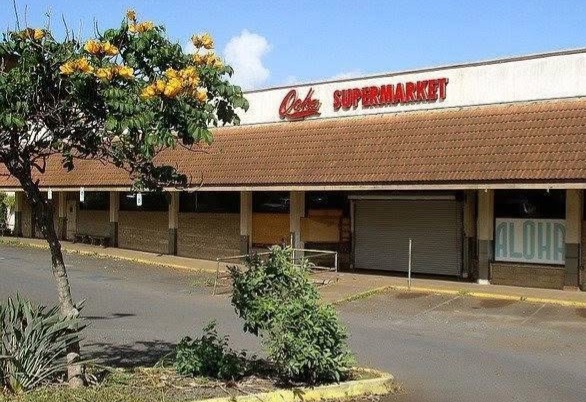
Ooka Supermarket
Ooka wasn’t a nickname. It was a family name, and on Maui, that mattered.
Ooka Supermarket was the kind of place people folded into their daily routines without thinking much about it. Kids stopped in for candy. Families filled shopping carts. Neighbors ran into each other in the aisles and talked story longer than they planned to. It was simply there, dependable, familiar, and became interwoven into the fabric of Wailuku and Maui as a whole.
The store began as Kahului Market in 1941, founded by Kan Ooka and his son Hideo Ooka, before moving to Wailuku in 1956 and becoming Ooka Supermarket. The sign was unmistakable: red lettering, the first “O” trailing into a line beneath the cursive Ooka name, with “SUPERMARKET” in block letters below, almost like a separate thought added later. In truth, “supermarket” wasn’t needed. We all just called it Ooka’s.
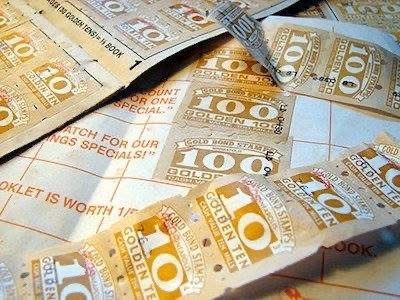
Inside, the store reflected the era it came from. Shoppers licked and pasted Gold Bond discount stamps onto paper sheets. The meat counter carried items you didn’t always see elsewhere, pig’s head, cow tongue, and island fish. There were prepared foods, fresh flowers, smoked marlin from Kona, akule, ahi, opihi, limu, pickled mango, poi, and fern shoots. Kids jammed quarters into vending machines, hoping for whatever toy happened to be inside that week. It was quintessentially local.
Running a grocery store in that era required discipline. Hideo Ooka was known as a strict taskmaster, a necessity in a business built on logistics, timing, and thin margins. His wife Barbara Ooka ran the flower department, and the store became a family operation in the fullest sense. Their son Byron Ooka worked there as a teenager and eventually took over.
When Ooka Supermarket closed in 2005, it was a different world. Shopping had largely shifted toward big-box retailers. Walmart had already been on Maui for several years, and Costco for more than a decade. Rather than trying to reinvent the store into something it was not, Ooka’s took a different path.
The land was sold to the Community Clinic of Maui (Mālama I Ke Ola Health Center), and the former parking lot was later developed into affordable housing for seniors, now known as Lōkēnani Hale, managed by Hale Mahaʻolu. The grocery store was gone, but the land continued to serve the surrounding neighborhood in a new way.
Ooka's represents a loss of an everyday place, one that anchored routine, built community, and became integral to the identity of a town rather than to single, memory-making events. In Hawaiʻi, especially on the neighbor islands, places like Ooka Supermarket once held towns together quietly.
The store is gone, but its presence lingers. Not as a building, but as a shared reference point, a way people still talk about where they’re from and what used to be there.