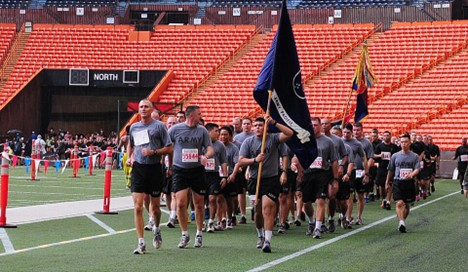
Aloha Stadium
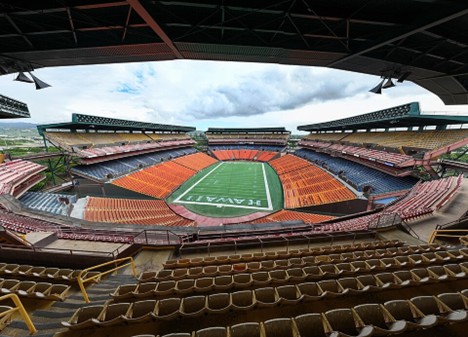
Aloha Stadium is still standing, for the time being, but it is no longer what it was.
For decades, it functioned as one of Hawaiʻi’s few truly shared civic spaces. It wasn’t just a football stadium. It was where families gathered for graduations, where high school championships mattered, where concerts filled the night air, and where people from every island came together for events that felt genuinely statewide.
Its origins reach back to the late 1960s, during planning and construction. Hawaiʻi was changing quickly, and Aloha Stadium was built to replace another lost place, Honolulu Stadium in Mōʻiliʻili, which had served the state for generations but was falling into disrepair. In many ways, Aloha Stadium represented a step forward, not just for University of Hawaiʻi football, but for the state as a whole.
From 1975 through 2020, it served as the home of the Hawaiʻi Rainbow Warriors. Coach Larry Price led the first teams to take the field there, followed by Dick Tomey, whose tenure coincided with UH’s entry into the Western Athletic Conference and a rise in national visibility. It was at Aloha Stadium that UH defeated BYU led by Heisman Trophy winner Ty Detmer, where quarterbacks shattered NCAA passing records, and where fans witnessed a 12–0 season and a trip to a BCS bowl.
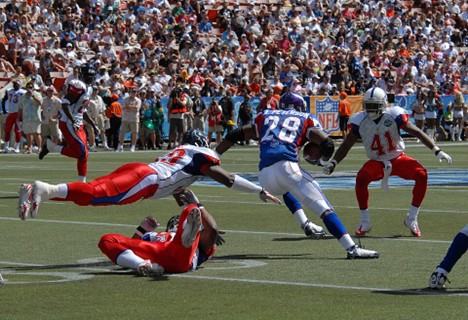
It hosted AAA minor league baseball for nearly a decade, international soccer matches, and appearances by some of the most recognizable figures in global sport, including Pelé. Musicians crossed the ocean to perform there across generations, from The Police (1984) to Michael Jackson (1997), Mariah Carey (1998), U2 (2006), and Bruno Mars (2018).
Kamaʻāina from the neighbor islands flew to Oʻahu and, for many, experienced their first—and sometimes only—UH game, major concert, or large-scale graduation there. For a long time, Aloha Stadium functioned as the heartbeat of large-scale entertainment for the state.
That role weakened over time. Games stopped. Crowds thinned. The building aged. What remains today is a structure without its former purpose, surrounded by parking lots that still host activity, even as the stadium itself waits for its future.
Aloha Stadium shows how a place can be lost without disappearing. The name remains. The memories remain. But the function that once gave it meaning does not. In Hawaiʻi, loss is not always sudden or dramatic. Sometimes it arrives slowly, while the place is still standing.
Many still drive past it on the freeway and remember nights spent there with friends, family, and complete strangers—moments when thousands gathered in one place and, for a while, shared the same space and time.