
Polipoli Spring State Recreation Area
Place: Polipoli Spring State Recreation Area, Maui
Type: Forest reserve / recreation area / reforested landscape
Story it tells: A mountain forest named for a rare spring, where reforestation transformed a damaged watershed on the slopes of Haleakalā.
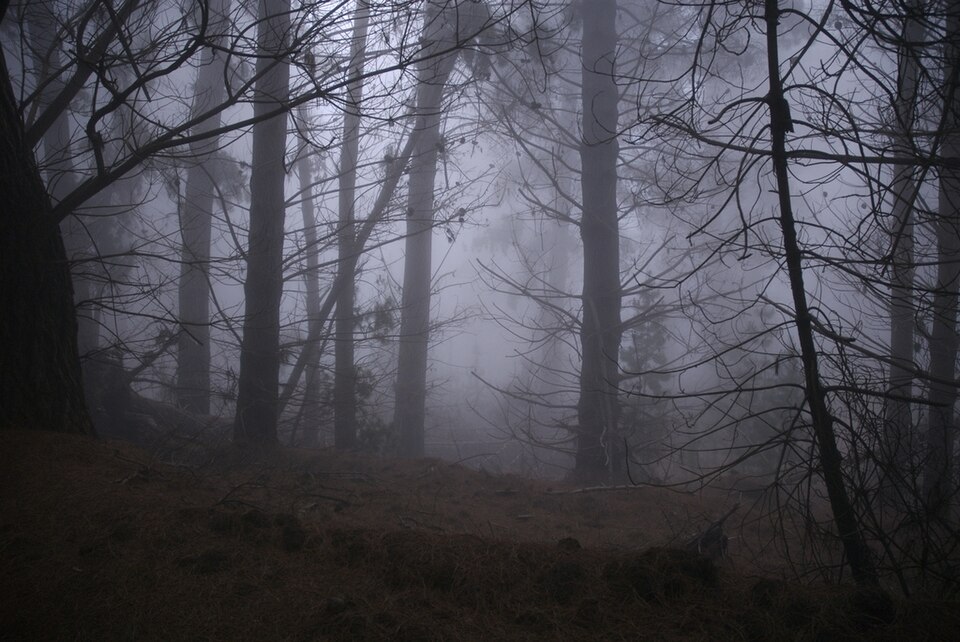
Polipoli Spring State Recreation Area sits on the western slopes of Haleakalā at an elevation of roughly 6,200 feet. The area takes its name from Polipoli Spring, a rare and important water source in Maui's upland forests. The exact origin of the name is uncertain, though polipoli is often associated with a soft, porous volcanic stone traditionally used for polishing.
Fresh and reliable sources of water are uncommon on the porous volcanic slopes of Haleakalā, making springs especially important landmarks. Over time, the name Polipoli came to be associated with the spring, nearby ridges, trails, and eventually the recreation area itself.
Before large-scale ranching and logging altered the landscape, these slopes supported extensive native forests of koa, māmane, and ʻōhiʻa lehua. By the early twentieth century, much of the original forest had been damaged, threatening watersheds that supplied water to communities below.
In response, foresters and the Civilian Conservation Corps undertook major reforestation efforts during the 1920s and 1930s. Thousands of non-native trees were planted, including redwoods, Monterey cypress, pines, eucalyptus, and other species that could thrive in the mountain fog belt. Many of these trees still dominate portions of the forest today, giving Polipoli an appearance unlike most landscapes in Hawaiʻi.
Today, visitors come to Polipoli for hiking, camping, mountain biking, pig hunting, and cooler mountain weather. Trails wind through forests, grasslands, and volcanic terrain while offering views across Upcountry Maui and the slopes of Haleakalā.
Polipoli reflects both loss and recovery. Its name preserves a connection to a mountain spring that sustained travel across the uplands, while its forests tell the story of Hawaiʻi's early efforts to restore damaged watersheds and reshape the landscape of Haleakalā.